
6 Italy Trip Planning Mistakes That Can Derail Your Vacation
The most common Italy trip planning mistakes are covering too many regions in one trip, over-scheduling each day, booking flights or hotels on the wrong timeline, skipping advance tickets for major sites, misunderstanding ZTL restricted driving zones, and choosing restaurants based on location instead of quality. Most are avoidable with planning that starts a few nmoths ahead of travel.
Most Italy trip planning mistakes don’t come from carelessness. They come from good intentions: wanting to see everything, trying to save money, staying flexible instead of locking things down too early. A few decisions made early in the planning process or skipped altogether can quietly cost you time, money, or a full day of your trip.
Here are six of the most common mistakes and what to do instead.
Trying to See Too Many Regions
Italy has an enormous amount to see and do, and that’s exactly what leads travelers astray. A common mistake is building an itinerary around three or four regions in a 10 to 14 day trip, trying to fit in Rome, Florence, Venice, the Amalfi Coast, and Tuscany all in one visit. Each region deserves more than a rushed day or two, and cramming in more than a trip can reasonably hold means you end up with a long list of places you technically visited but didn’t get to experience.
A better standard: no more than two regions in 10 days, or three regions in two weeks. This gives you time to settle into a place instead of rushing through it. For a full breakdown of how to structure this, see how to plan a 10-day Italy itinerary.
Overloading the Itinerary
Booking on the Wrong Timeline
Flights to Italy are generally cheapest when booked three to six months ahead and tend to trend lower the earlier you book within that window. During peak periods, like summer and holidays, look into purchasing your flights six to nine months out. Waiting until a month or two before departure usually means paying more for the same seat. On the other end, booking too far ahead doesn’t always help either, since airlines haven’t released their best fares yet.
Hotels follow a similar pattern, especially for smaller boutique properties with limited rooms. If you’re traveling during peak season (May through September), waiting until a few weeks out often means the best options are already booked.
Skipping Advance Tickets for Major Sites
This is one of the most common and most avoidable mistakes. Colosseum tickets are released to the public 30 days in advance, and it’s 60 days in advance for the Vatican Museums (including the Sistine Chapel). Tickets sell out quickly, especially during peak season. Showing up without a ticket usually means standing in a long line, if you can get in at all.
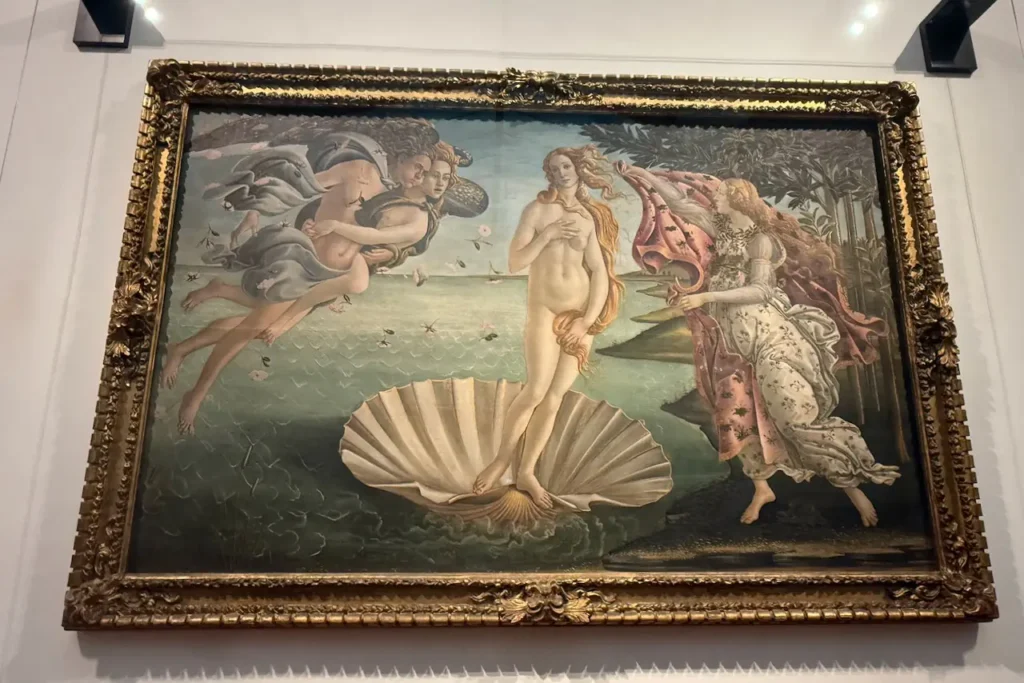
Other major sites are worth advance tickets too, even if they’re not on quite as tight a release window. In Florence, that includes the Uffizi Gallery and the Accademia, home to Michelangelo’s David. In Rome, the Borghese Gallery requires a reserved entry time regardless of season. In Venice, the Doge’s Palace and its Secret Itineraries tour also fill up during busier months.
Not Understanding ZTL Zones
Many Italian city centers have a ZTL, or zona a traffico limitato, a restricted traffic zone that only permitted vehicles can enter. The zones are usually marked but easy for visitors to miss, and cameras enforce them automatically. There’s no officer waving you through or stopping you at the line. You just get a ticket, often months after you’ve already returned home.
Fines can add up to roughly 100 euros or more per violation, and your rental car company will often add its own administrative fee on top for processing your information with Italian authorities. If your hotel is inside a ZTL, ask them in advance about registering your car, since some cities allow temporary exemptions for guests with reservations. Otherwise, park outside the zone and walk or take a taxi in.
It’s also worth asking yourself, do you really need a rental car? Italy’s rail network connects most major cities and towns easily, without any risk of ZTL fines, parking hassles, or navigating unfamiliar roads. A car makes more sense for exploring the countryside in regions like Tuscany or Umbria. Many travelers do best renting one only for that portion of the trip, and relying on trains everywhere else.
Choosing Restaurants Based on Location Instead of Quality
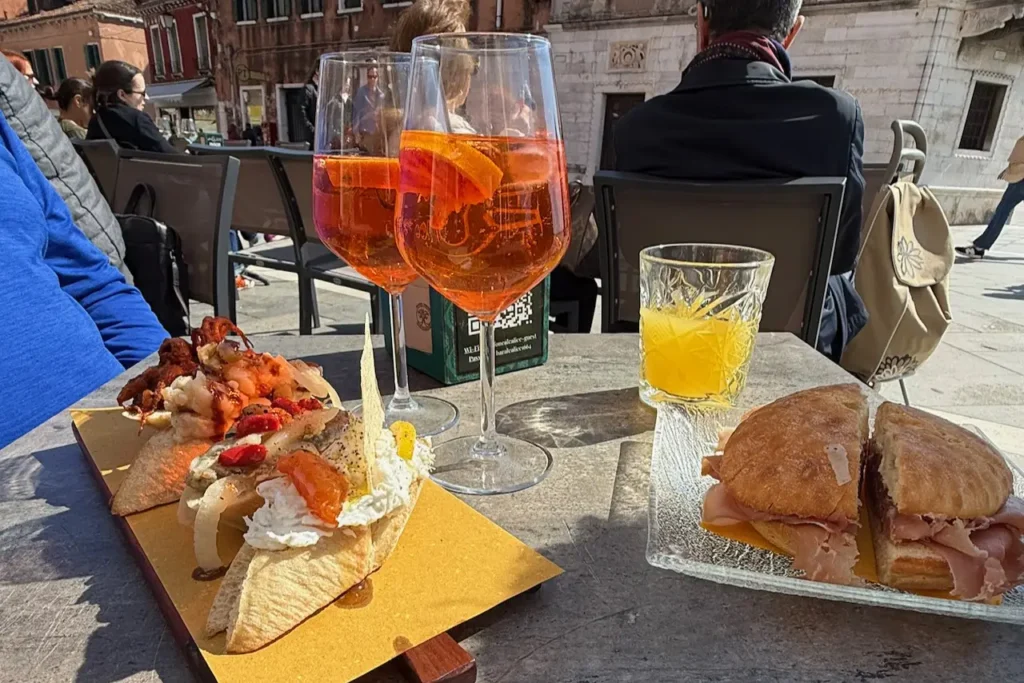
A restaurant with a huge menu filled with photos, a host waving people in from the sidewalk, or a spot right next to a major landmark is usually a sign to keep walking. Prime tourist locations often mean prime tourist pricing and food made for crowds, not for flavor.
Look a few streets away from the main square or landmark instead. A shorter menu, printed only in Italian, or a place that’s clearly busy with locals rather than tour groups, is often a better sign than convenience. Asking your hotel staff where they actually eat is one of the simplest ways to find a good meal, since they’re not trying to sell you anything and usually know the neighborhood well.
How to Avoid These Mistakes
None of these mistakes are hard to fix once you know they’re coming. Most come down to timing: booking things at the right point in your planning process, and pacing your days so the trip doesn’t wear you out before it’s over. That’s the part that’s easy to get wrong when you’re planning your first Italy trip on your own, and it’s the part a good itinerary should account for from the start. If you’re weighing whether to handle this yourself or bring in help, my Should You Use a Travel Advisor for Italy post walks through when each approach makes sense.
Frequently Asked Questions
How far in advance should I book my Italy trip?
Do I need advance tickets for the Colosseum and Vatican?
What is a ZTL zone in Italy?
How many regions should I visit on a 10 to 14 day Italy trip?
Is it safe to eat at restaurants near major landmarks?
Should I rent a car for my Italy trip?
What's the biggest planning mistake first-time Italy travelers make?
When is the cheapest time to visit Italy?
Planning an Italy trip and want to avoid these mistakes altogether? Schedule a complimentary consultation and I’ll help you build an itinerary that works.