
Train or Car in Italy? How to Choose the Right Way to Get Around
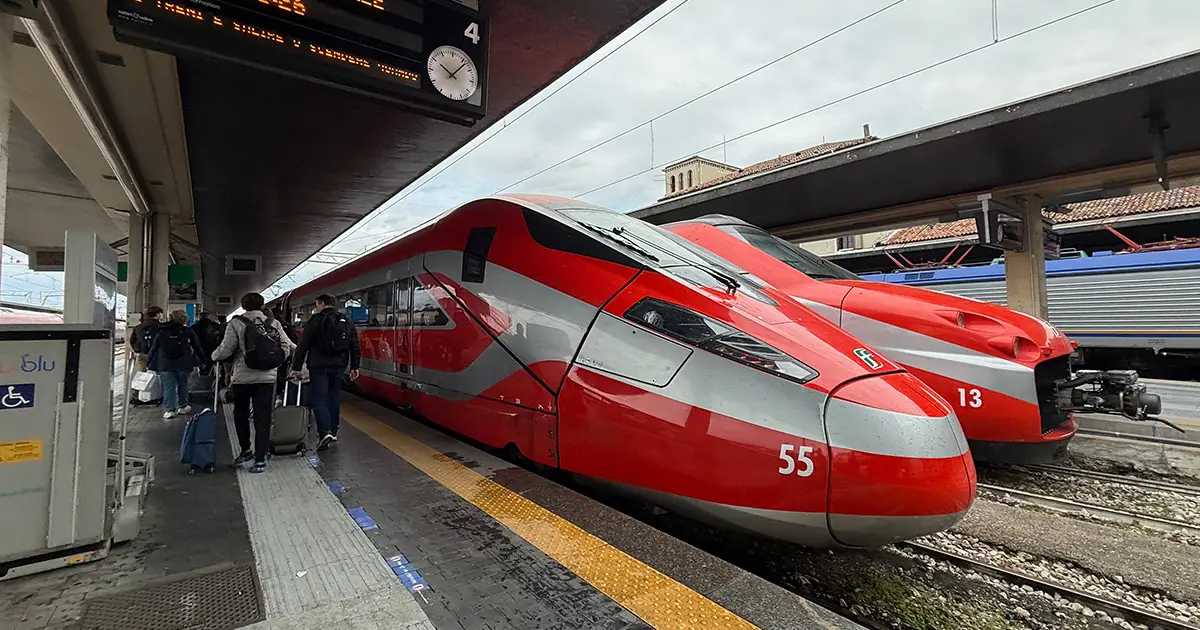
Trains work best for moving between major cities. A car makes more sense for countryside regions with limited rail service. Your itinerary, group size, and comfort with driving abroad are the factors that decide it.
How to Decide Between a Train and a Car
Before picking one or the other, it helps to look at four things about your specific trip.
Where you’re going. Italy’s high-speed rail network connects major cities quickly and reliably. Once you head into the countryside, small hill towns, or regions without direct rail access, a car often becomes necessary rather than optional. If you haven’t settled on which cities or regions to include, this guide to planning a 10-day Italy itinerary walks through that decision first.
How many people are traveling. Train tickets are priced per person, so costs add up with a group. Rental cars are priced per vehicle, so the math shifts in a car’s favor once you’re traveling with three or more people.
How much luggage you’re bringing. Trains mean carrying your own bags on and off platforms, sometimes with tight connection windows. A car means loading up once and not thinking about it again until you arrive.
Your comfort level with driving abroad. Italian roads, signage, and driving norms differ from what you’re used to. If navigating an unfamiliar country while also handling road rules and city traffic sounds stressful rather than freeing, that’s worth weighing honestly.
When the Train Makes More Sense

For most visitors moving between major cities, the train is the easier and often better choice.
Italy’s high-speed lines, Frecciarossa and Italo, connect cities like Rome, Florence, Venice, and Milan in a fraction of the time driving would take, often under three hours between major hubs. (Still deciding which of these cities to prioritize? This guide to Rome, Florence, or Venice for first-timers can help.) You skip the stress of navigating unfamiliar roads, finding parking in historic centers, and figuring out where you’re allowed to drive at all.
Train travel is also typically the better value for couples and small groups. Advance tickets on popular routes can be inexpensive, and the cost stays per-person rather than scaling with a rental, gas, tolls, and parking all at once.
If your trip is centered on cities, the train removes an entire category of logistics you’d otherwise have to manage.
When a Car Makes More Sense
A car earns its place once your itinerary moves beyond the major cities.
Regions like Tuscany’s countryside, Umbria, and parts of Puglia have limited or indirect rail service. Getting to a small hill town or an agriturismo often means a car is the only practical option, not just the convenient one.
A car also makes sense for families carrying more gear, or for itineraries with flexible day trips where you want to stop when something catches your eye rather than working around a train schedule.
What People Get Wrong (Cost and Logistics Pitfalls)
A few mistakes come up often enough that they’re worth flagging before you book anything.
Underestimating the full cost of a rental. The rental fee itself is only part of the picture. Fuel, highway tolls, and parking in cities (where it’s often scarce and expensive) all add up, and travelers frequently compare just the base rental rate against a train ticket without factoring these in.
ZTL fines. Many historic city centers have Limited Traffic Zones, known as ZTL, where only residents and authorized vehicles can drive. The restrictions are enforced by camera, not a person waving you off, so it’s easy to cross into one without realizing it. Fines arrive by mail, often months later, with an added administrative fee from the rental company.
Assuming your driver’s license is enough. Renting a car in Italy typically requires an International Driving Permit alongside your regular license. It’s a simple document to get ahead of time through AAA, but it’s easy to overlook until you’re standing at the rental counter.
Assuming trains reach everywhere. Italy’s rail network is excellent between cities, but it doesn’t cover the countryside evenly. Some charming small towns require a car, a transfer, or a longer regional train with multiple connections to reach at all.
A Better Way to Think About It: Mixed Transportation

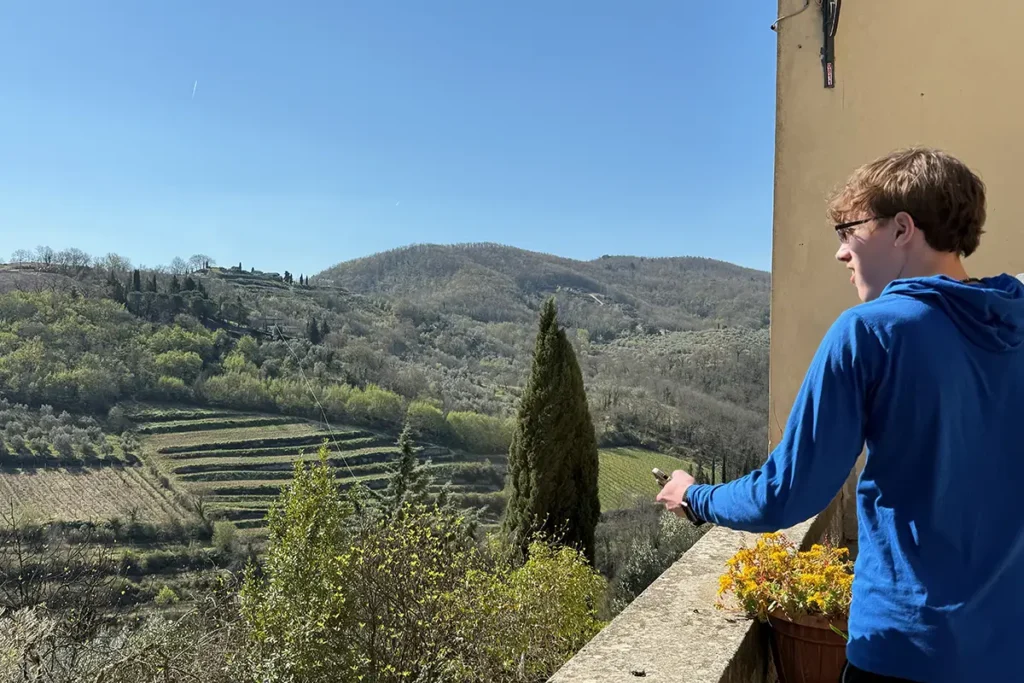
For some itineraries, the real answer isn’t train or car. It’s both, used for what each does best.
A common approach: take the train between major cities, then pick up a rental car only for the leg of the trip that runs through the countryside. This avoids paying for a car to sit in a hotel garage while you’re in Rome or Florence, and it avoids trying to reach a hill town by a three-transfer regional train.
This is the kind of planning decision that benefits from knowing the routes and regions well, and from working with a travel advisor to plan your trip. It’s not just about which mode of transportation is faster or cheaper in isolation. It’s about matching transportation to the shape of your specific trip, city days versus countryside days, so you’re not overpaying for a car you don’t need or missing places a train can’t reach.
Frequently Asked Questions
Is it better to rent a car or take the train in Italy?
Do I need a car to see the Tuscan countryside?
Are trains in Italy expensive?
Is driving in Italy hard for American tourists?
What is a ZTL zone in Italy?
Should I rent a car for the Amalfi Coast?
Transportation is just one piece of a well-planned Italy trip. Schedule a complimentary consultation and I’ll help you sort out the logistics, along with everything else.