
Italy for Couples: How to Plan a Cultural Trip You'll Both Love
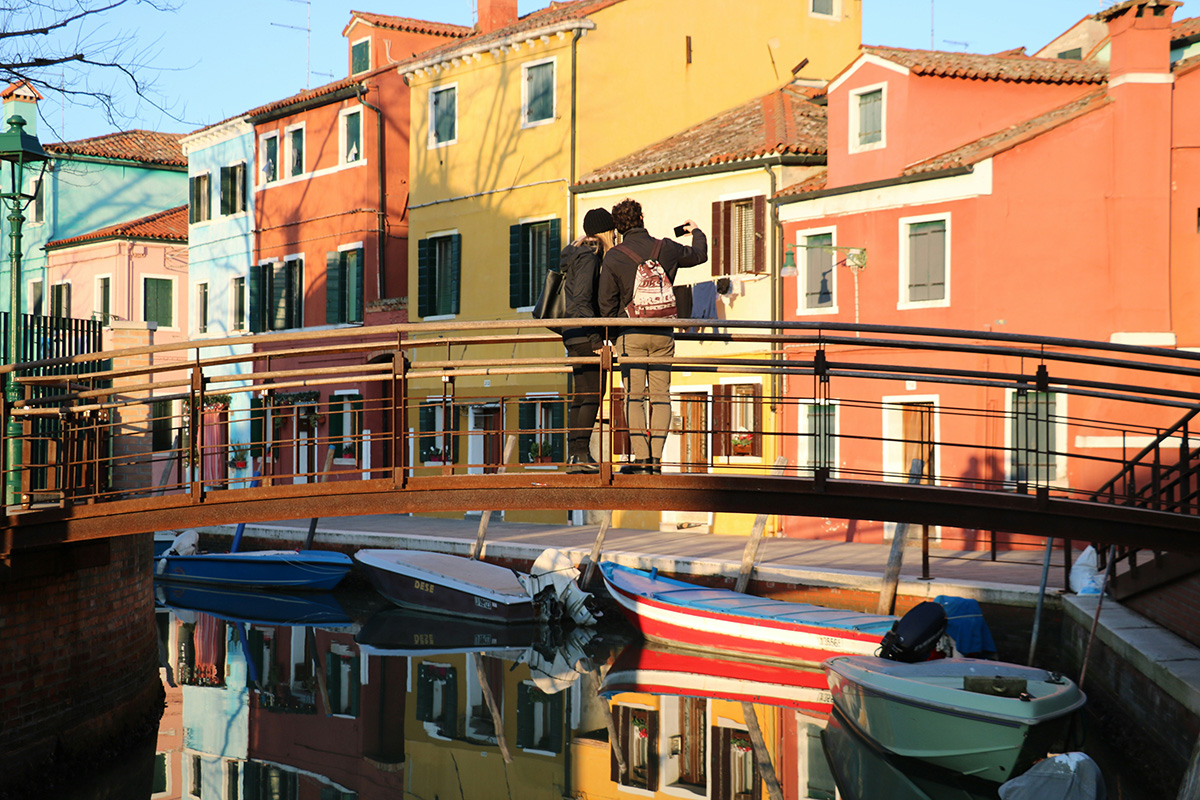
Italy offers couples a rare combination of cultural depth and natural pace: art, food, history, and local life layered across regions that each feel distinct. This guide covers where to go, how to structure your time, and what to prioritize for a trip that works for both of you.
Most travel content aimed at couples planning an Italy trip defaults quickly to romance: candlelit dinners, gondola rides, proposals at the Trevi Fountain. It doesn’t describe why so many couples keep coming back to Italy, or why they consistently say it was the best trip they’ve ever taken together.
What makes an Italy trip for couples memorable is the combination of shared discovery, unhurried meals, and cultural experiences that gives you something to talk about long after you’re home. This guide is built around that idea: not Italy as a romantic backdrop, but Italy as a place worth exploring together.
Why Italy Works So Well for Couples
Italy stands out as an ideal travel destination for couples. The country is built around shared experiences: meals that last two hours, slow walks through historic centers, wine tastings where the conversation matters as much as the glass. That rhythm suits couples well.
It also offers enough variety that two people with different travel styles can both get what they came for. One of you wants to spend a morning in a Renaissance museum; the other wants to sit in a piazza with an espresso. In most Italian cities, both are possible before lunch.
What keeps couples engaged throughout the trip is the layering. History, food, architecture, landscape, and local life are interwoven in a way that’s hard to find elsewhere. You’re not choosing between culture and relaxation. You’re getting both, often in the same afternoon.
How to Think About Your Itinerary as a Couple

Start with what you both actually want
Before you look at a map or start comparing destinations, have a direct conversation about priorities. What aspects of Italian culture — art, music, theatre, food and wine, architecture, archaeology, history, religion, local life, family heritage — are most important to you? Do you both want to spend time in cities, or does one of you prefer the countryside? Are museums a highlight or something to do once and check off? Is wine country on the list, or is coastal scenery more appealing?
This conversation prevents the most common planning mistake couples make: building an itinerary around what they think they’re supposed to see in Italy rather than what they’ll both enjoy. Italy is large and varied enough that you can skip entire regions and have an incredible trip, as long as the regions you do visit are right for both of you.
How many destinations, and for how long
A common planning error is trying to cover too much ground. Spending two nights in six different places means spending half your trip moving, and you never get a real feel for anywhere you visit. Two to three destinations over 10 to 14 days is a more realistic target. Three nights in a place is usually a minimum; four or five nights lets you actually settle in.
The structure that tends to work best: anchor your trip around one or two cities where you want to spend real time, then add one slower region (a stretch of countryside, a coastal town, or a smaller city) where you can decompress and explore at a different pace.
Pace matters more than you think
Trips that try to maximize every day often end in exhaustion and friction. For couples especially, the quality of a trip is closely tied to having unscheduled time: afternoons with no plan, evenings that unfold on their own. Build that in deliberately. One or two structured activities per day is enough. The rest can be spontaneous.
Destinations Worth Knowing About
Every corner of Italy has something to offer, but some destinations consistently deliver the combination of culture, food, and unhurried atmosphere that makes a couples trip worthwhile. Here’s an honest look at what each brings.
Rome
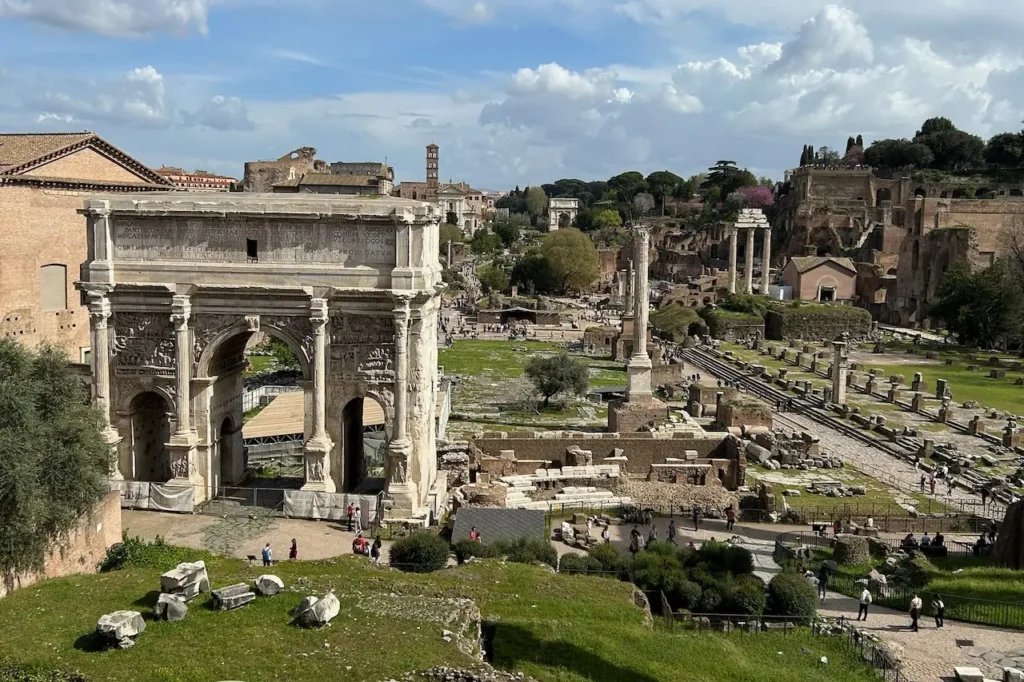
Rome is the natural starting point for most Italy itineraries, and not just because it’s easy to fly into. No other city layers archaeology, religious history, and daily local life as densely. The Colosseum and Roman Forum speak to anyone drawn to ancient history; the Vatican is essential for art and religion alike; and the neighborhoods offer some of the most vivid local life in the country. Trastevere is worth an evening on its own, and the Jewish Quarter carries one of the oldest continuously inhabited histories in Europe. Plan three to four nights and resist the urge to see everything.
Tuscany

Tuscany rewards couples across a wide range of interests, which is part of why it remains one of the most satisfying regions in Italy. Florence anchors the region for art and architecture: the Uffizi holds one of the world’s great Renaissance collections, the Accademia has the David, and the Duomo rewards close attention. Outside the city, the landscape shifts toward food, wine, and slower local life. Chianti wine country, the hill towns of Siena and San Gimignano, and the Val d’Orcia are as much about settling in as sightseeing. A cooking class or winery visit here tends to be among the most memorable parts of any Italy trip.
The Amalfi Coast and Sorrento

The Amalfi Coast is primarily about landscape and local life rather than museums or monuments, which makes it a strong fit for couples who want to decompress between more intensive cultural stops. The towns are visually striking, the food is regional and good, and the pace is slower than the cities. That said, it’s worth being clear-eyed about logistics: the roads are narrow, the towns are steep, and it gets crowded in peak season. Sorrento is an easier base, well-connected, with good accommodation and day trip access to Amalfi, Positano, and Capri. It works well as the final leg of a longer trip.
Cinque Terre
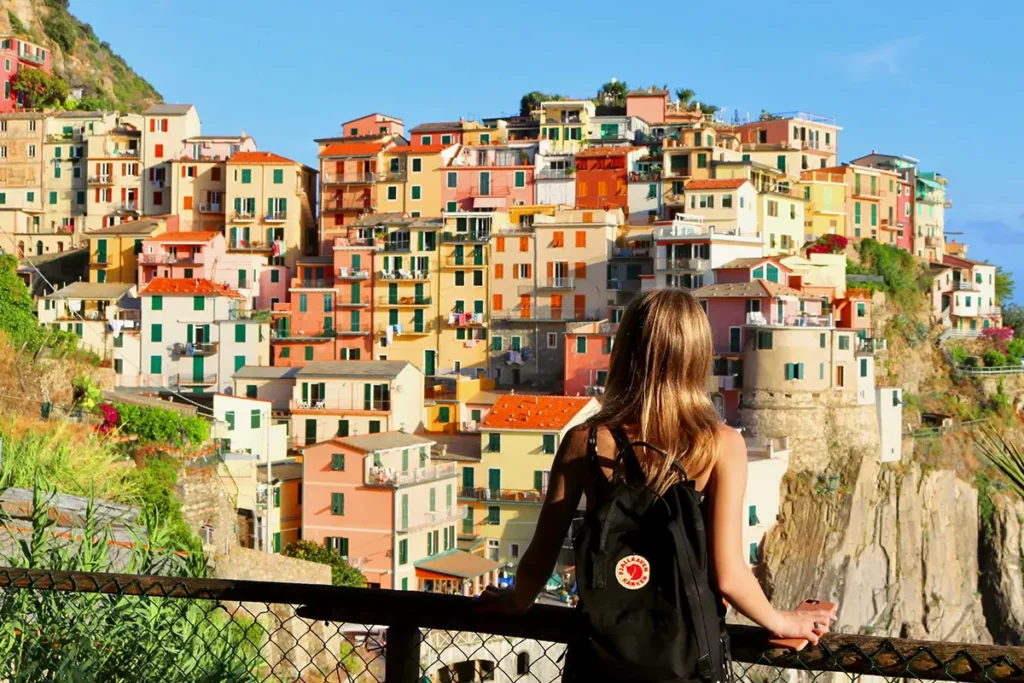
Cinque Terre, five small villages on the Ligurian coast, is primarily a destination for landscape, local life, and outdoor experience rather than art or history. The hiking paths between villages are among the most scenic in Italy, and the villages themselves have a distinct character built around fishing, seafood, and the rhythms of a small coastal community. It gets extremely crowded in summer, particularly during the day when tour groups arrive. Staying overnight in one of the villages changes the experience: you get the place before and after the crowds, which is when it’s at its best. Two nights is usually enough.
Venice
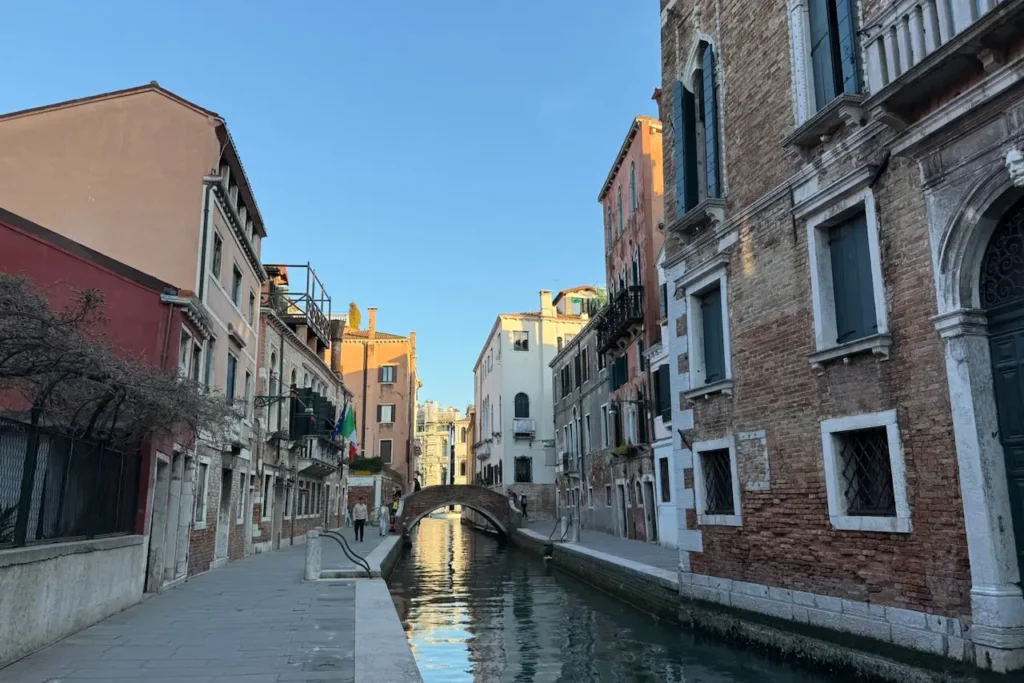
Venice rewards couples drawn to architecture, art, and local life in equal measure. The city’s built environment is unlike anywhere else: Byzantine, Gothic, and Renaissance architecture layered across a canal system that still functions as the city’s streets. The Doge’s Palace and the Accademia are worth time for art and history; the quieter “sestieri” (neighborhoods) like Cannaregio and Dorsoduro offer a more local feel away from the San Marco crowds. Getting the most out of Venice means slowing down and getting off the main tourist routes. Two to three nights is sufficient for most couples, and it works well as a standalone addition to a larger trip rather than the centerpiece.
Sicily
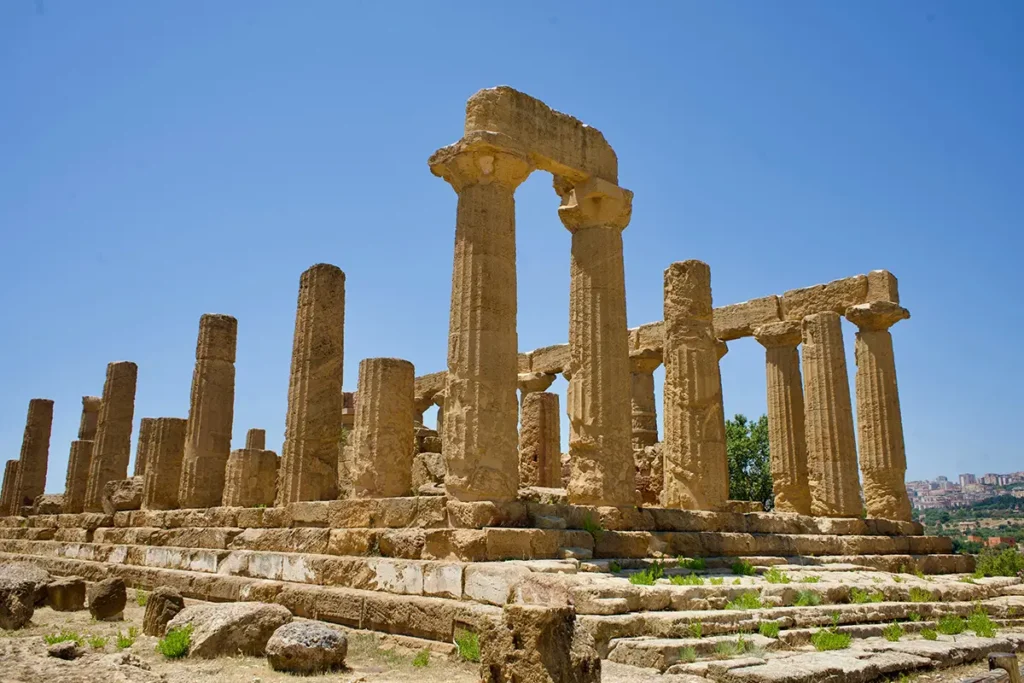
Sicily is the right destination for couples who want cultural depth across multiple dimensions. The island’s history spans Greek, Arab, Norman, and Spanish rule, and that layering is visible everywhere: in the archaeology at Agrigento, in the Arab-Norman architecture of Palermo, in the baroque towns of the Val di Noto, and in a food culture that is distinctly its own. For couples interested in history, architecture, and food in combination, Sicily consistently overdelivers. It takes more effort to get there than the mainland, but travelers who visit say it was the highlight of their Italy experience.
Puglia

Puglia is the part of Italy that people discover and then tell everyone about. The appeal is primarily local life, food, and architecture rather than major museums or monuments: whitewashed hilltop towns like Ostuni and Locorotondo, the trulli houses of Alberobello, a food culture built around simple, high-quality ingredients, and a coastline with some of the clearest water in the Mediterranean. For couples whose priorities run toward food, regional character, and atmosphere over classical art and history, Puglia tends to be a revelation. It’s less visited than Tuscany or the Amalfi Coast, which means more breathing room and a more local feel.
What to Do Together
Food and wine experiences
Some of the most memorable experiences on any Italy trip involve food: a pasta-making class with a local instructor, a guided food market tour, a winery visit in Tuscany or Sicily, a truffle hunt in Umbria. These aren’t tourist traps when chosen carefully. They’re engaging and give you a frame for understanding the region you’re in. They also tend to be what couples talk about most when they get home. Budget for one or two per destination.
Guided tours worth paying for
Not every site requires a guide, but a few genuinely benefit from one. The Vatican is near the top of that list: the scale and complexity of the museums make context invaluable, and a skip-the-line private or small-group tour is worth the cost. A guided visit to Pompeii (easily accessible from Sorrento) brings the site to life in a way that wandering on your own doesn’t. Elsewhere, self-guided exploration is often better: you move at your own pace and stop where you’re actually interested. The key is being selective rather than booking a guided tour for everything.
Balancing structured and free time
The couples who have the best Italy trips tend to share one habit: they don’t over-plan. One or two anchored activities per day, then time to follow their own curiosity. That might mean spending an extra hour at a market, lingering over a long lunch, or walking into a church simply because it looked interesting from the street. Italy rewards that kind of attention.
Planning Logistics Couples Often Overlook
When to go
Spring (April through early June) and fall (September through October) are widely considered the best times to visit Italy. Temperatures are comfortable, the crowds are more manageable than in July and August, and the light is good. Summer is Italy’s peak season: hot, crowded, and more expensive. If you’re set on summer travel, early morning visits to major sites and accommodation booked well in advance are essential. Winter is underrated for Rome, Florence, and Sicily: far fewer tourists and lower prices, with the trade-off of shorter days and some coastal areas closed for the season.
Where to stay
Location matters more than star rating in Italy. A well-located three-star hotel in the historic center will serve you better than a four-star property a twenty-minute commute from anywhere you want to be. For couples, boutique hotels in central neighborhoods tend to offer the best combination of atmosphere and practicality. In the countryside, agriturismi (working farms with guest accommodation) are worth considering for at least part of the trip. In the cities, look for properties within walking distance of the main sites.
Getting around
Italy’s high-speed rail network connects major cities efficiently: Rome to Florence in roughly 90 minutes, Florence to Venice in about two hours. For most city-to-city travel, trains are faster and less stressful than driving. A rental car becomes useful when you’re exploring the countryside, particularly in Tuscany or Puglia, where the smaller towns are less accessible by public transport. Avoid driving in city centers; parking is difficult and restricted zones are common.
Do You Need a Travel Advisor for Your Italy Trip?
Not everyone does. Couples who have traveled independently in Europe before, are comfortable navigating logistics, and have time to research can plan a solid Italy trip on their own. Italy is well-documented and has good tourist infrastructure in most major destinations.
Where a travel advisor adds value is in the details that online research doesn’t surface easily: which hotel location will actually work for your itinerary, which guided experiences are worth the cost, how to sequence destinations to minimize transit time, and how to pace a trip that keeps both of you engaged without exhausting either of you. For couples planning their first Italy trip or a more complex itinerary, that guidance tends to pay for itself.
If you’re considering working with an advisor, look for someone who specializes in Italy specifically, not general European travel, and who takes time to understand what both of you want out of the trip before making recommendations.
Frequently Asked Questions
Is Italy a good destination for couples who aren't on a honeymoon?
Yes. Italy works well for couples at any stage: a first big trip together, an anniversary, or simply a vacation you’ve been wanting to take for years. The cultural richness, food, and varied landscape make it engaging regardless of the occasion. You don’t need a milestone to justify the trip.
How long should a couples trip to Italy be?
Ten to fourteen days is the sweet spot for most couples. It’s long enough to visit two or three regions without rushing, and short enough to stay within a reasonable vacation budget. Less than ten days is workable but limits your options, especially if you want to include both a major city and a slower region.
What's the best time of year for a couples trip to Italy?
April through early June and September through October offer the best combination of good weather, manageable crowds, and reasonable prices. If coastal destinations are part of your plan, September is particularly strong: warm enough to enjoy the water, less crowded than peak summer.
How do you balance different travel interests on an Italy trip?
Have the conversation before you start planning. Identify what each of you wants most, then build an itinerary that includes those priorities for both people rather than defaulting to a generic highlights tour. Most Italian destinations offer enough variety that different interests can coexist in the same day: one person at a museum while the other explores a market, then meeting for lunch. Pacing and flexibility matter more than finding a destination you both agree is perfect on paper.
Should couples hire a travel advisor for Italy?
It depends on your experience level and how complex the trip is. Independent travelers with European experience and time to research can do well on their own. A travel advisor makes the most difference for first-time visitors to Italy, couples with limited planning time, and anyone building an itinerary that combines multiple regions. The value is in the specificity: not just what to do, but where to stay, when to book, and how to sequence it so the trip flows well for both of you.
What's an underrated destination in Italy for couples?
Puglia. It has the food, the coastline, the architecture, and the cultural depth that draws people to Italy in the first place, with a fraction of the crowds you’ll find in Tuscany or the Amalfi Coast. Couples who visit consistently say they wish they’d spent more time there.
How far in advance should we book an Italy trip?
For peak season travel (June through August), booking six to nine months out gives you the best selection of accommodations and availability for popular experiences like Vatican tours and cooking classes. For shoulder season travel in spring or fall, three to six months is generally sufficient. The earlier you confirm accommodation and key bookings, the more options you’ll have.
Ready to Start Planning?
Planning a cultural Italy trip as a couple involves a lot of moving parts: destinations, sequencing, pacing, accommodation, experiences. Getting it right means understanding what both of you actually want, not just what looks good on a travel blog.
If you’d like help thinking it through, schedule a complimentary consultation call. We’ll talk through your interests, your timeline, and what a well-planned trip might look like for the two of you. No pressure, no commitment. Just a useful conversation to help you figure out where to start.
Tagged non-featured