
Off the Beaten Path Italy: Four Regions Worth Adding to Your Itinerary
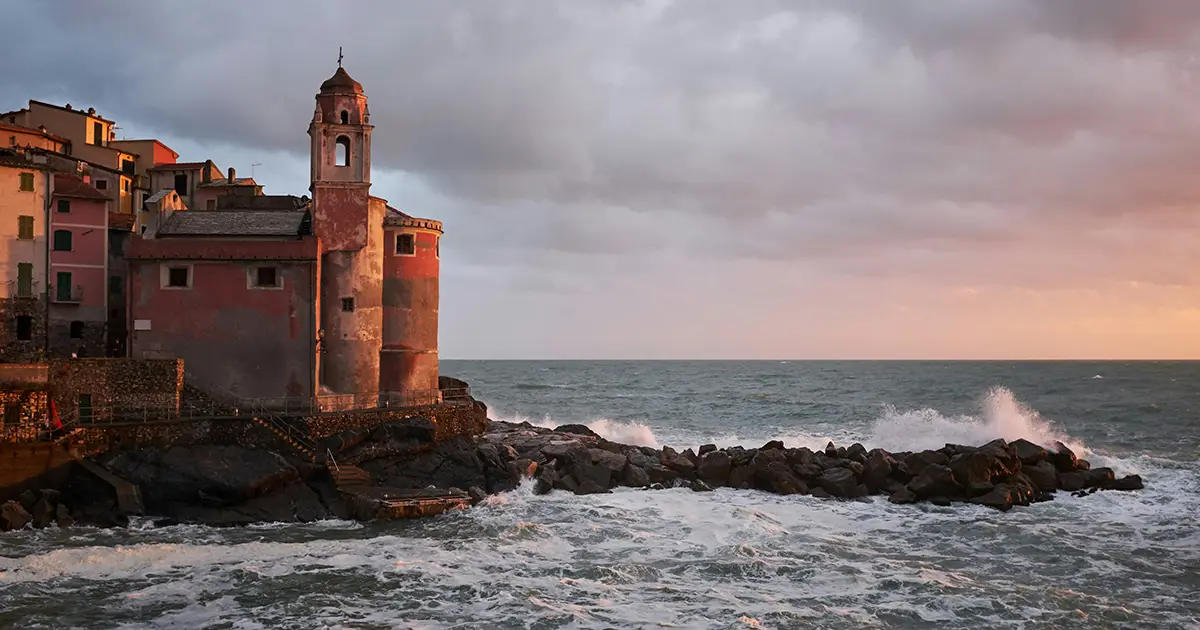
Some of the best off the beaten path Italy experiences are found in regions like Liguria, Le Marche, Puglia, and Abruzzo — areas with deep cultural character, distinctive food and architecture, and far fewer crowds than Rome or Florence. Pairing a major city with one of these lesser-known regions makes for a rewarding Italy trip that feels balanced rather than rushed.
If You're Visiting Florence, Consider Adding One of These
Liguria
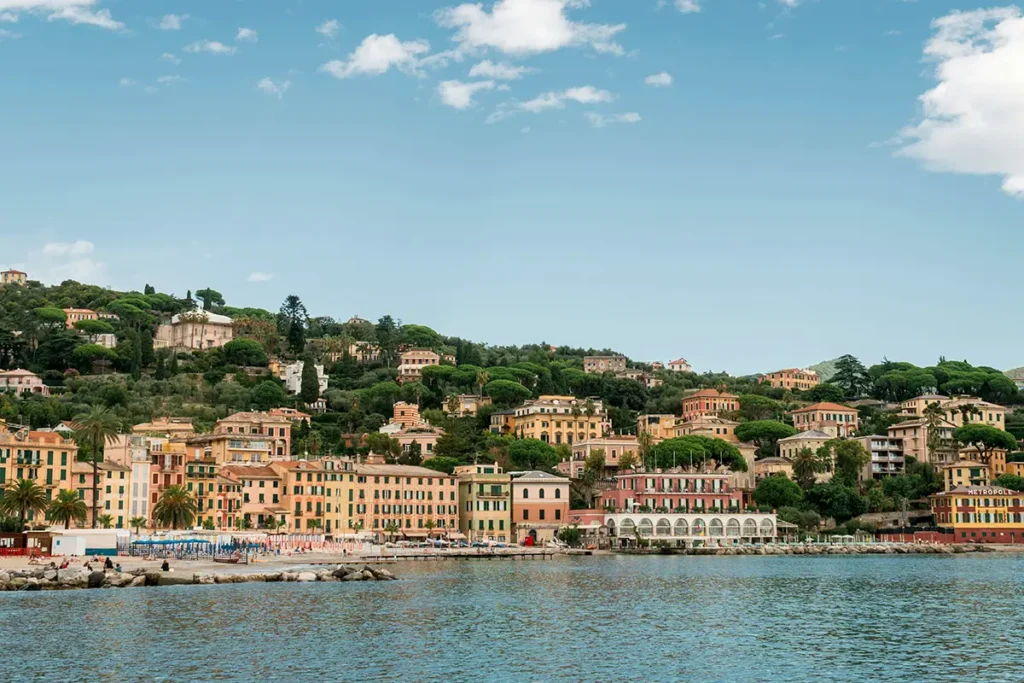
Santa Margherita Ligure sits on the Gulf of Tigullio, framed between the sea and the mountains. It has the character of a proper Italian coastal town: a working harbor, a historic center, and a palm-lined promenade. Its 16th-century castle was built by the Genoese to defend the coast, and Villa Durazzo-Centurione features frescoes, gardens, and groves with a view to the sea. Ferries connect the town to Portofino and other points along the coast, and the train station puts Cinque Terre and the rest of Liguria within reach without requiring a car.
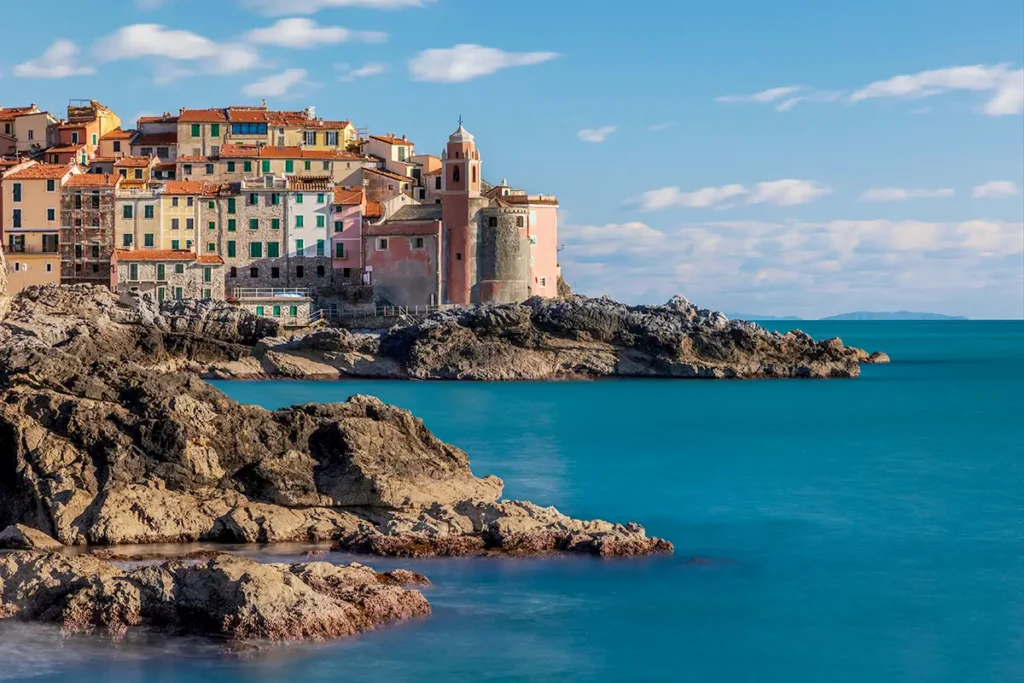
Tellaro is a quiet and unhurried coastal village just south of the Cinque Terre. Named one of the “Borghi più belli d’Italia” (Most Beautiful Villages of Italy), the historic center is a maze of steep alleys, hidden stairways, and tiny piazzas. At the end of its promontory stands a 16th-century church painted in pastel pink. Nearby, visitors can swim from sandy beaches and rocky coves.
Le Marche
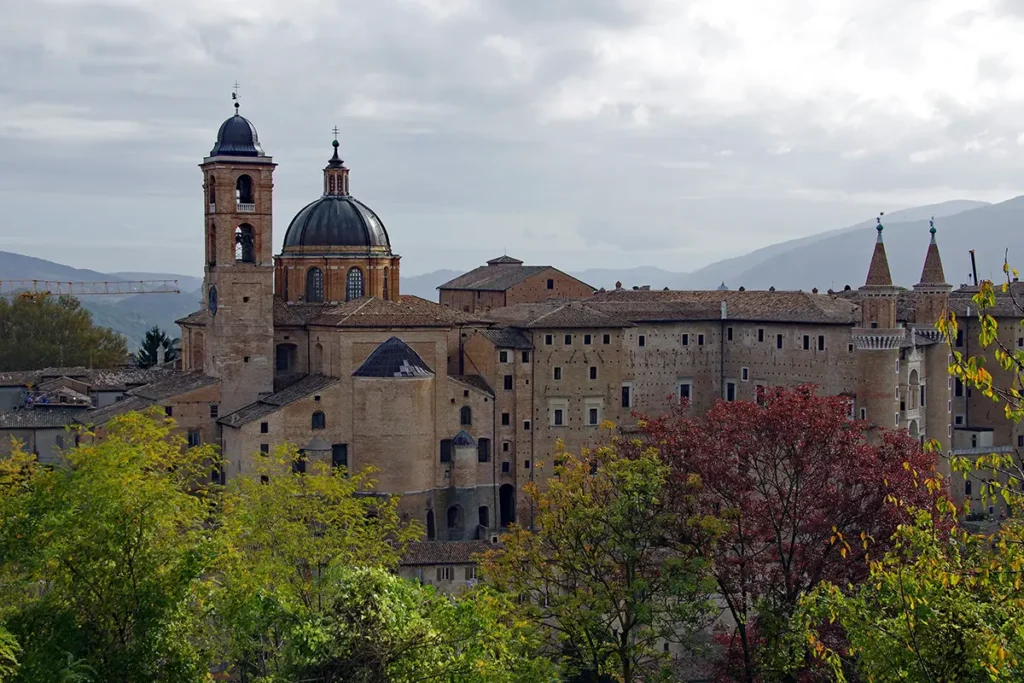
Urbino is one of the region’s standout towns and one of the most significant Renaissance cities in Italy, though it rarely appears on the standard itinerary. The Palazzo Ducale dominates the hilltop skyline and houses the Galleria Nazionale delle Marche, which holds a serious collection of Renaissance painting including works by Raphael, who was born in the city. The historic center is compact and well-preserved, and because the town draws mostly Italian visitors rather than international tour groups, it has a genuinely local character.
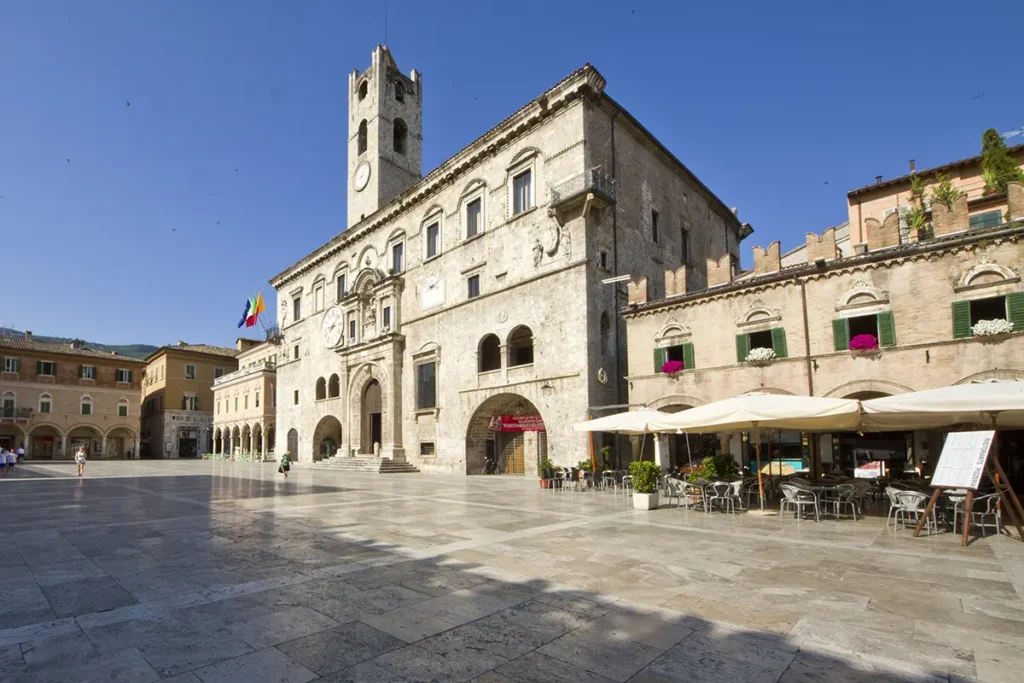
Ascoli Piceno, in the southern part of the region, is known as the “City of a Hundred Towers” for the medieval towers that once provided defense and showed noble families’ wealth. The town has one of the most elegant central piazzas in Italy, built almost entirely in travertine marble. There’s plenty to explore among the Civic Picture Gallery, the cathedral of San Emidio, the church of San Francesco, and a Roman bridge. The town is also known for olive ascolane — large green olives stuffed with seasoned meat and fried. The historic Cafe Meletti, long a gathering place for local cultural life, is worth a stop for a glass of the local anisette, a liqueur made from green aniseed that tastes like licorice.
If You're Visiting Rome, Consider Adding One of These
Puglia
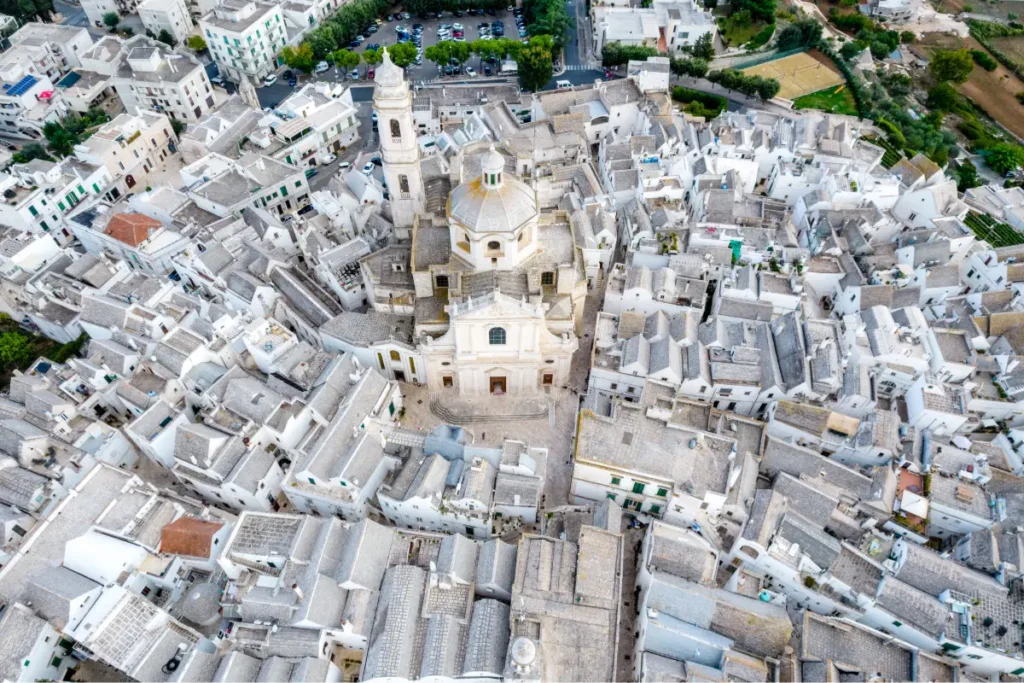
Locorotondo is one of the most distinctive towns in the Valle d’Itria, known for its circular historic center built from small white-stone houses with characteristic pointed roofs. The old center is compact and easily walkable, its winding lanes lined with wrought-iron balconies and painted staircases, with views over the valley that are particularly striking at sunset. The town sits just a few kilometers from Alberobello, where the trulli architecture (conical-roofed limestone dwellings) is most concentrated. Locorotondo also produces a well-regarded local white wine, worth trying alongside the regional specialty of carne al fornello — lamb cooked over oak charcoal.
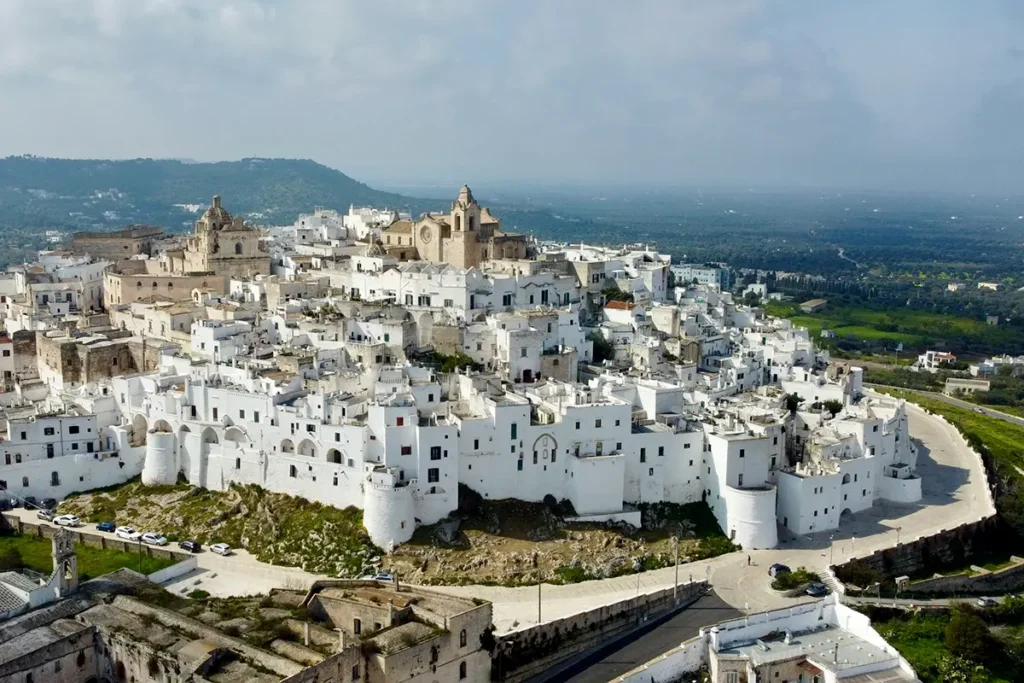
Ostuni is known as La Città Bianca (The White City) for its whitewashed buildings visible from a distance against the surrounding olive groves. This hilltop town’s historic center is a maze of winding lanes and stairways, anchored by a late 15th-century cathedral with a Gothic facade and a notable rose window. Eight Aragonese towers still mark the perimeter of the old town, and from the top the views extend across the olive groves to the Adriatic coastline less than 10 kilometers away.
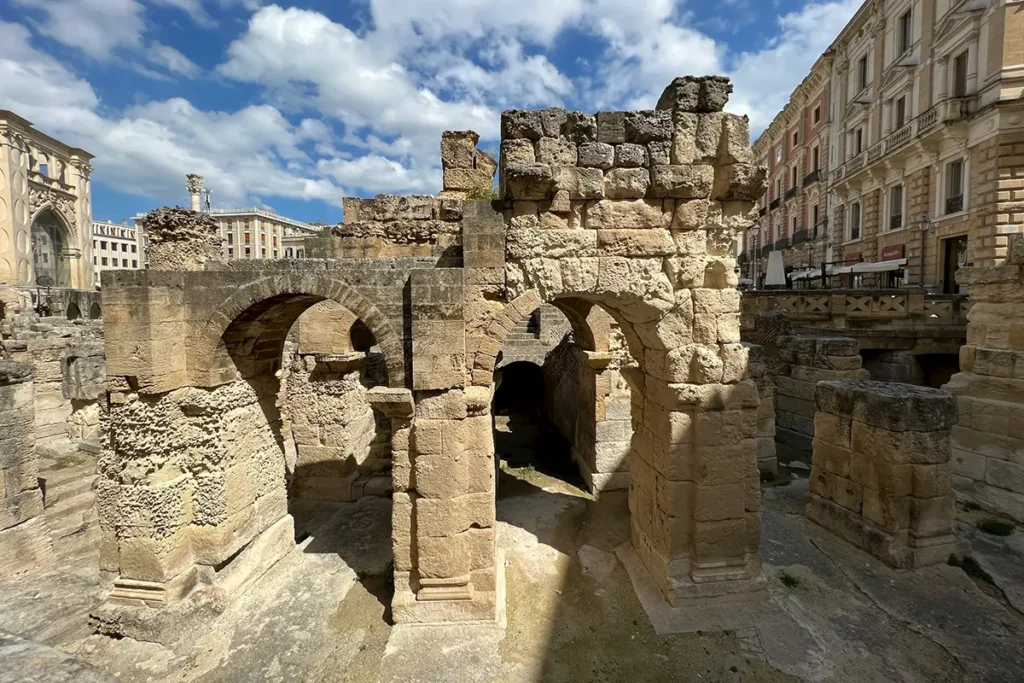
Near the southern end of Italy’s heel, vibrant Lecce blends Roman history, baroque facades, and nearby beaches. The cathedral and its square — surrounded by buildings on three sides — give the feel of an open-air museum. The Piazza Sant’Oronzo reflects Lecce’s history through the ages, with its partially uncovered Roman amphitheater and statue of the town’s patron saint atop a 100-foot column. Lecce also has a serious food culture: rustico leccese, a savory pastry filled with tomato and mozzarella, and pasticciotto, a shortcrust pastry with custard filling, are local staples worth seeking out.
Abruzzo
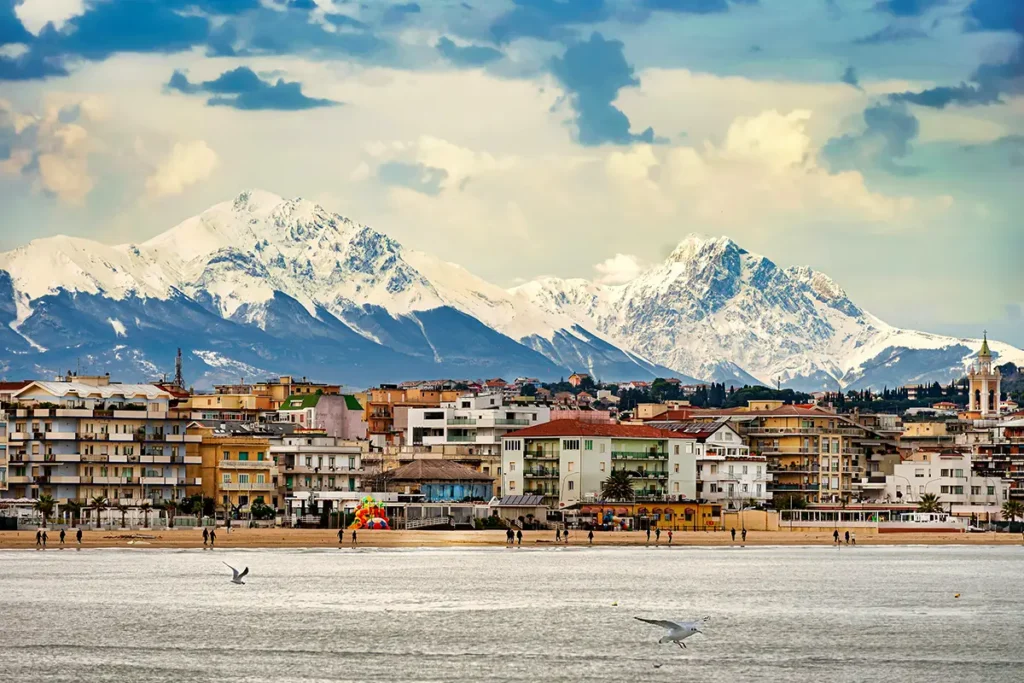
Pescara is the region’s largest city, with its own airport and good rail connections to both Rome and the rest of Abruzzo. The city sits directly on the Adriatic and is best known as a beach destination, with a long and lively waterfront. The harbor at Pescara is the starting point for the Costa dei Trabocchi, a scenic stretch of Adriatic coastline named for the trabocchi — traditional wooden fishing structures built on stilts above the water — that appear at intervals along the shore.
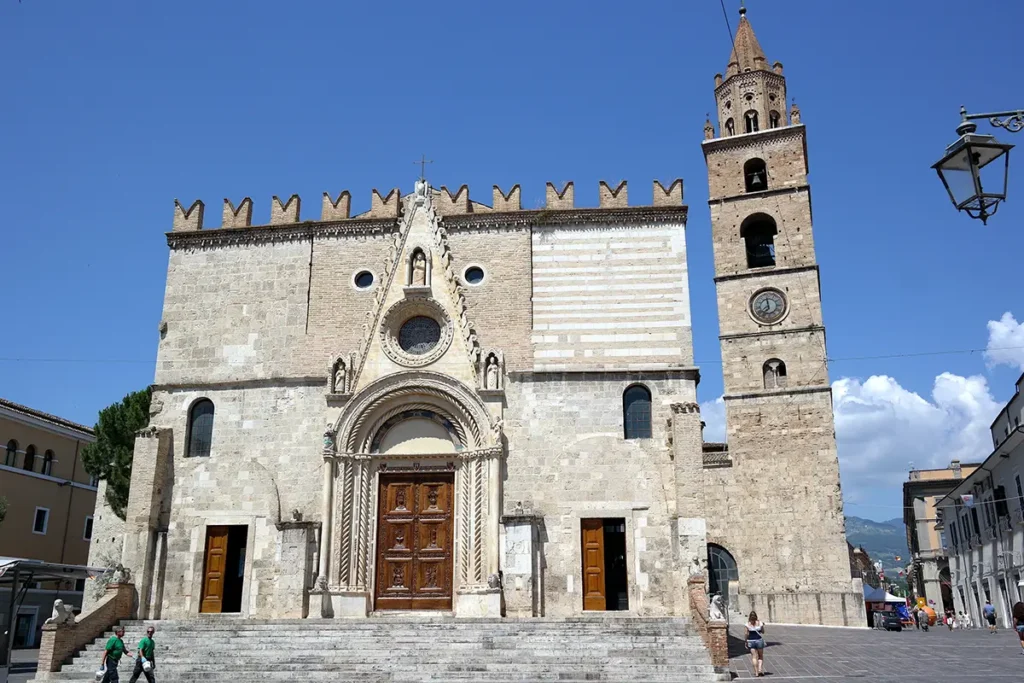
Teramo, located between the Adriatic coast and the Gran Sasso mountains of the Apennines, blends art, history, and nature. Its Santa Maria Assunta cathedral combines Romanesque and Gothic elements across its facade and is the town’s most notable landmark. Teramo was the ancient Roman settlement of Interamnia, and traces of that history turn up in ancient ruins throughout the town’s historic center. The Gran Sasso e Monti della Laga National Park begins just above the town, offering access to serious mountain scenery and activities.
How to Actually Build This Kind of Trip
The itineraries that work best aren’t the ones that cover the most ground. They’re the ones that give each destination enough time to feel like a place rather than a stop.
A Rome and Puglia trip works because both destinations have enough depth to fill a week each. A Florence and Liguria trip works because the two regions are close enough to connect naturally without a long travel day in the middle. What doesn’t work as well is adding a third or fourth destination to either of those combinations. A two-destination structure — one major city, one regional base — tends to produce a more satisfying trip than one that tries to do Rome, Florence, and Puglia in ten days.
That’s a straightforward principle, but applying it to an actual itinerary involves a lot of details: where to stay in each place, how many nights to allocate, whether trains or a rental car make more sense, which experiences in each destination are worth booking in advance and which are better left unplanned. Those decisions compound quickly, and getting them right is where a travel advisor makes the difference between a good trip and a great one.
If you’re interested in building an Italy trip that goes beyond the major cities, I’d be glad to help you think through the options. You can schedule a complimentary consultation at alltogethergetaways.com/schedule to talk through what that might look like for you.
Frequently Asked Questions
What are the best small towns in Italy off the beaten path?
Is Italy outside of Rome and Florence worth visiting?
How many destinations should I include in an Italy trip?
For a 10- to 14-day trip, two destinations — one major city and one regional base — generally produces a better experience than three or more. More stops means more travel days and less time to settle into any one place. Learn more about how to plan a 10-day Italy itinerary that actually works.
What part of Italy is least touristy?
How do I plan an Italy trip that goes beyond the major cities?
Ready to start planning? Schedule a complimentary consultation at alltogethergetaways.com/schedule.